Table of Contents
How Algorithms Quietly Decide What You See Every Day
Open your phone in the morning. Scroll for a few minutes. Watch a short video. Read a headline. Maybe add something to your cart.
It all feels natural—almost casual. But here’s a quiet truth about modern digital life: much of what you see isn’t chosen by you in that moment. It’s selected, ordered, and suggested by systems working behind the scenes.
These systems are called algorithms. They don’t announce themselves. They don’t ask for permission each time. And most of the time, they’re not doing anything dramatic or malicious. They’re simply deciding what comes next.
This article explains—calmly and simply—how algorithms shape everyday digital experiences across social media, search, shopping, and news. No technical jargon. No fear. Just awareness.
Your feed isn’t random—and it isn’t the same as anyone else’s
Two people can open the same app at the same time and see completely different things.
Your home screen on YouTube won’t look like your friend’s. The posts at the top of Instagram aren’t identical across users. Even search results on Google can vary depending on where you are and what you’ve searched before.
This isn’t coincidence. It’s personalization.

Algorithms quietly tailor digital spaces so they feel relevant to you. And to do that, they have to make choices—about what to include, what to prioritize, and what to leave out.
What “algorithm” means in everyday apps
In daily life, an algorithm isn’t a complex formula you need to understand. In practical terms, it’s simply:
A set of rules that decides what to show you next.
Most consumer-facing algorithms do three basic things:
- Select content or items from a huge pool
- Rank them in a certain order
- Recommend what you’re most likely to engage with
Think of it like a very busy librarian. The library has millions of books. You don’t see them all. The librarian places a few on the front table based on what you’ve read before, what’s popular, and what’s new.
That front table is your feed.
Why algorithms exist in the first place
It’s tempting to think algorithms exist to manipulate. In reality, they exist largely because of scale.
There is too much content, too much information, and too many choices for humans to sort manually. Without some kind of automated filtering, most digital platforms would feel overwhelming.
Algorithms help:
- reduce overload
- surface relevant options
- save time
- keep experiences consistent
When Netflix suggests a movie, it’s trying to help you avoid endless scrolling. When Amazon ranks products, it’s attempting to show what you might consider first.
These systems are practical tools. But practicality has side effects.
The core idea: algorithms learn from signals
Algorithms don’t “know” you. They learn patterns from signals.
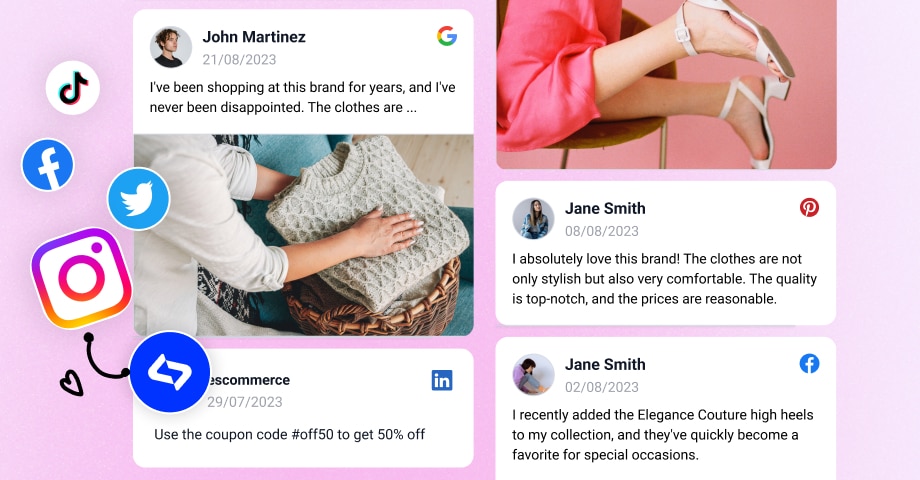
Signals are small actions you take—often without noticing. They generally fall into three groups:
1) You signals
- what you click
- how long you watch
- what you like, save, or share
- what you search for
- what you buy or add to a wishlist
Watch three cooking videos? The system assumes you’re interested in cooking.
2) Content signals
- topic and keywords
- length and format
- freshness
- popularity
- how other people engage with it
If many people watch something till the end, it’s treated as “strong.”
3) Context signals
- location
- device
- time of day
- language
- trending topics
Searching “best café” at noon near your office produces different results than searching at night at home.
None of this is personal in a human sense. It’s statistical.
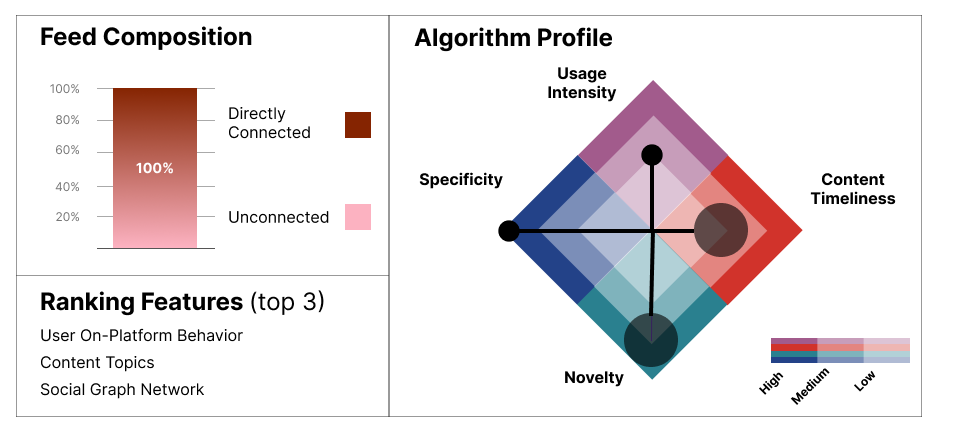
How feeds and recommendations actually work (simply)
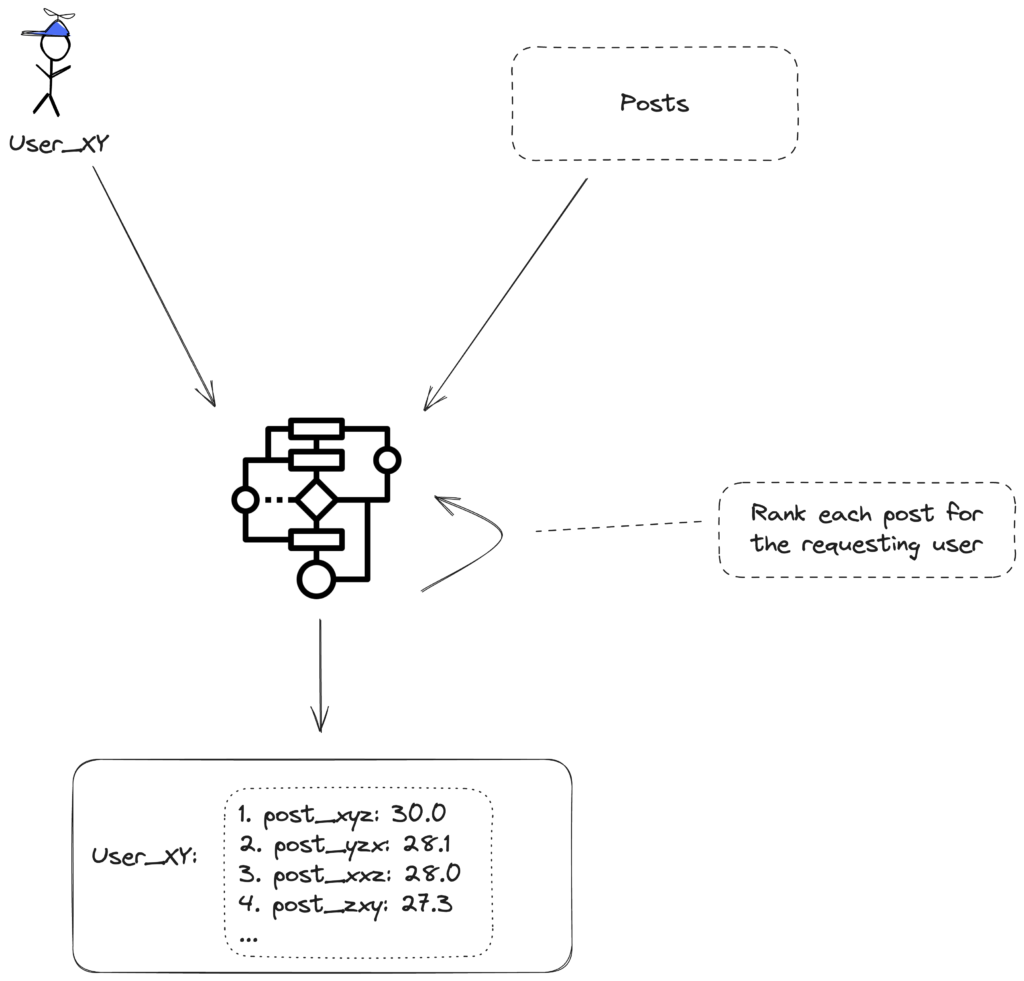
Most recommendation systems follow a similar pipeline:
- Candidate selection
The system gathers a large pool of possible items—videos, posts, products, links. - Scoring
Each item gets a score predicting how likely you are to engage with it. - Ranking
Items are ordered from most likely to least likely. - Feedback loop
What you do next trains the next round.
This loop runs constantly. Every scroll, pause, or skip feeds it new information.
Rankings aren’t neutral—and that’s not a conspiracy
Once something ranks higher, it gets seen more. When it’s seen more, it gets more engagement. And more engagement pushes it even higher.
This creates an amplification loop.
A video that performs well early often keeps performing well—not because it’s objectively “best,” but because the system gives it momentum. The same happens with headlines, products, and posts.
This isn’t a secret plan. It’s a natural outcome of ranking systems optimizing for engagement.
Where algorithms shape daily life the most
Social media
Platforms optimize for attention. Content that’s easy to consume and easy to measure tends to thrive.
If you linger on fitness clips, more fitness appears. If you pause on motivational reels, similar tones multiply. Over time, your feed becomes a mirror of your recent behavior.
Search
Search engines rank results based on relevance and trust signals. Location, language, and past searches can influence what you see first.
Two people searching the same phrase can get different “best” answers.
Shopping
Shopping platforms recommend based on browsing and purchase patterns.
Click one pair of headphones, and suddenly your screen fills with accessories, comparisons, and alternatives. Defaults matter—what’s shown first often becomes what’s chosen.
News
News apps personalize to increase reading. Stories you tap on tend to multiply.
This can make your feed feel focused—but also narrower.
Quiet side effects to be aware of
None of these effects are dramatic on their own. But together, they shape experience.
- Filter bubbles: seeing more of what you already like
- Reinforcement: repeated themes feel more important than they are
- Mood shaping: content affects emotional tone over time
- Time distortion: endless feeds remove natural stopping points
You don’t notice these shifts immediately. They accumulate.
A simple awareness checklist
You don’t need to fight algorithms. You just need to notice them.
Ask yourself occasionally:
- Why am I seeing this now?
- What did I do recently that taught my feed?
- What perspectives might be missing?
- Is this useful—or just sticky?
Awareness breaks the illusion of randomness.
Small actions that change what you see
You don’t need complicated settings. Behavior is the strongest lever.
- Search intentionally for topics you want more of
- Follow a few high-quality, thoughtful sources
- Use “Not interested” when something doesn’t serve you
- Pause before clicking outrage or sensational content
- Switch to chronological feeds when available
- Clear watch or search history occasionally if your feed feels stuck
Even a week of intentional use can noticeably reshape recommendations.
A calm conclusion
Algorithms are not villains. They are tools designed to manage scale. They can help discovery, save time, and surface relevance.
But they also quietly shape experience—by deciding what appears first, what repeats, and what fades away.
The real risk isn’t algorithms themselves. It’s forgetting they exist.
Awareness restores choice. And choice is what turns a feed back into your feed.
Explore more calm, explanatory pieces like this on the WiderDepths blog.