Table of Contents
Education before power is a pattern that quietly runs through the history of every lasting civilization. We remember borders expanding, armies marching, and rulers commanding power. Power is visible. It leaves monuments, maps, and dramatic stories behind.
This idea of education before power appears repeatedly across ancient civilizations, regardless of geography or culture.
But beneath every lasting civilization lies something far quieter and far less visible: education.
Long before political authority was consolidated, before armies were organized, and before economies expanded, civilizations invested in systems of learning. This was not accidental. Again and again, history shows the same pattern: knowledge came first, power followed.
Understanding why this happened tells us something important—not just about the past, but about how civilizations survive at all.
Education before power: a forgotten pattern
Power answers an immediate question: Who controls resources today?
Education answers a deeper one: How will this society endure tomorrow?
Civilizations that focused only on power rose quickly and collapsed just as fast. Those that built strong traditions of learning created continuity—across generations, rulers, and even disasters.
This is not about modern schooling or degrees. When we speak of education in ancient civilizations, we mean something broader and more foundational.
What “education” meant in early civilizations
Education in ancient times was not limited to classrooms, exams, or certificates. It was about transmission of knowledge, values, and skills necessary for civilizational survival.
It included:
- Oral traditions and memorization
- Apprenticeship and mentorship
- Philosophy and ethics
- Mathematics, astronomy, medicine, and law
- Cultural and moral instruction
Education was the mechanism through which a society taught its members how to think, how to govern, how to solve problems, and how to live together.
Only after this foundation existed could organized power emerge.
The repeating historical sequence
Across geography and time, civilizations followed a remarkably similar sequence:
- Knowledge systems develop
- Educational institutions or traditions form
- Administrative and political structures emerge
- Military and economic power expand
This order matters. Power requires organization, planning, strategy, and legitimacy—all of which depend on educated minds.
History shows that education before power was not a coincidence but a deliberate civilizational choice. Let’s look at how this unfolded in different civilizations.
India: knowledge as the soul of civilization
Ancient India offers one of the clearest examples of education preceding power.
Long before large empires ruled the subcontinent, India had deeply developed systems of learning. Knowledge was not merely practical—it was considered sacred and civilizational.
The gurukul system trained students through close teacher–student relationships, emphasizing discipline, ethics, logic, science, and philosophy. Education was holistic, shaping character as much as intellect.
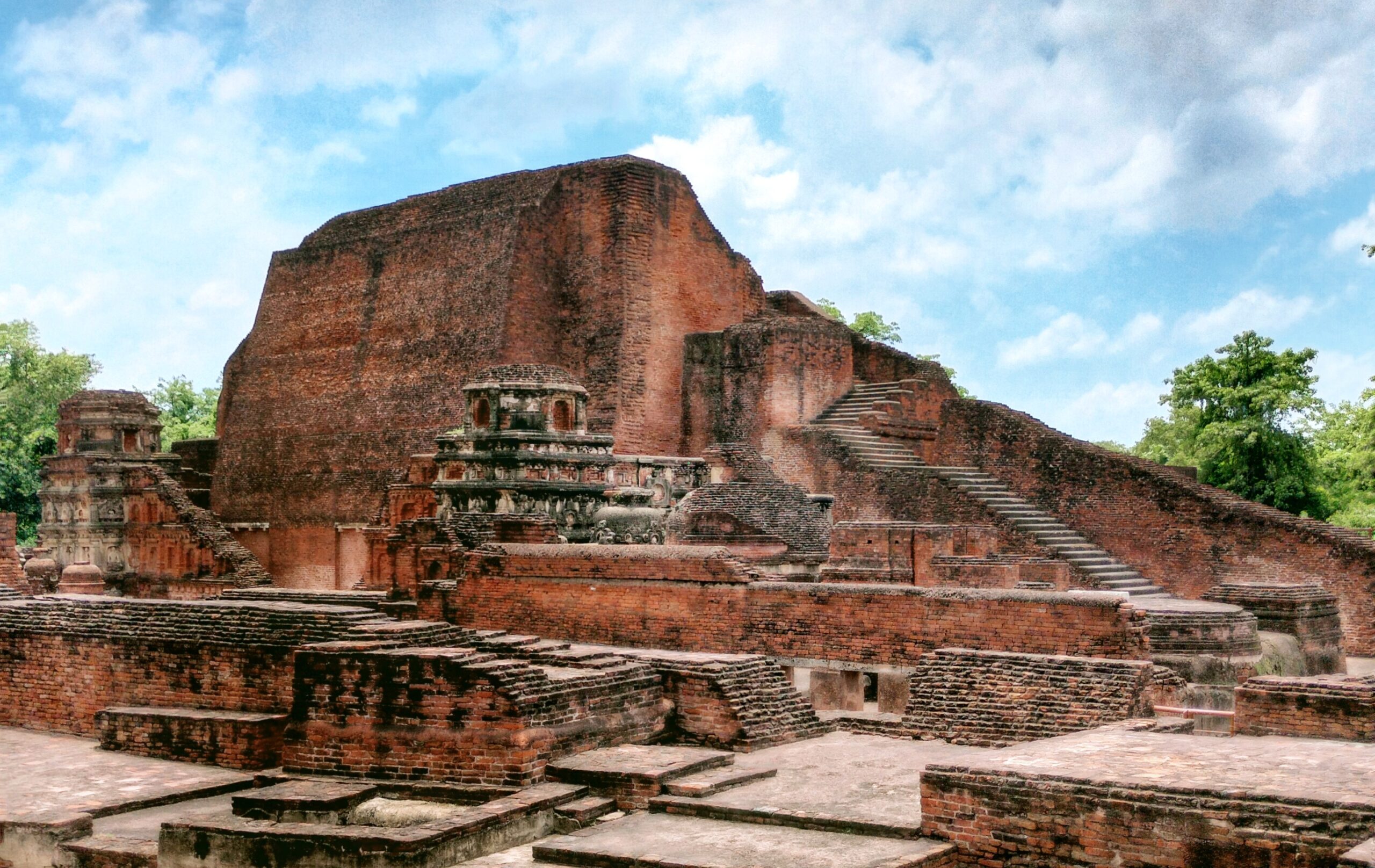
Institutions such as Takshashila and Nalanda emerged centuries before many centralized political empires. These were not just schools; they were international centers of learning, attracting students from across Asia.
Rulers were expected to be educated before they governed. Power was viewed as temporary, but knowledge as eternal. Even kings saw themselves as custodians of learning, not merely commanders of armies.
India’s civilizational continuity—despite repeated invasions and political upheavals—owes much to this deep-rooted emphasis on education.
Ancient Greece: philosophy before empire
Greece did not begin as a military superpower. Its greatest contribution to history came not through conquest, but through thought.
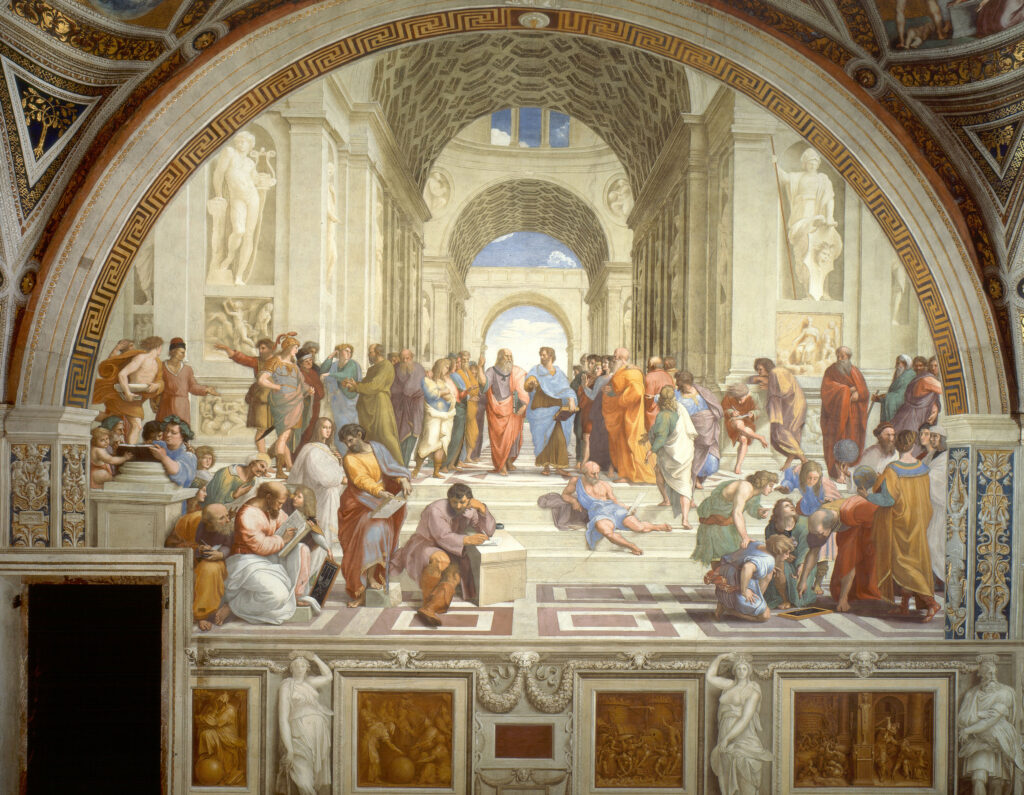
Greek civilization invested heavily in philosophy, logic, mathematics, and civic education. Thinkers debated fundamental questions: What is justice? What is truth? What makes a good citizen?
Educational spaces such as academies and schools existed well before Greece exerted political dominance. These institutions trained individuals in reasoning, dialogue, and ethics—skills essential for governance.
When power eventually expanded, it rested on an intellectual foundation. Greek influence endured long after its political control faded because its ideas were preserved, studied, and transmitted.
China: scholars before soldiers
In ancient China, education was not optional—it was central to governance.
Confucian philosophy emphasized moral discipline, social harmony, and responsibility. Knowledge was seen as the primary qualification for leadership. The ideal ruler was not the strongest warrior, but the most cultivated mind.
Civil service examinations institutionalized this belief, selecting administrators based on learning rather than birth alone. Scholar-bureaucrats governed vast territories, ensuring stability across dynasties.
China’s long civilizational continuity was not sustained by constant conquest, but by educated administration. Armies defended borders; scholars maintained order.
The Islamic Golden Age: learning as power
One of history’s most striking examples of education preceding power is the Islamic Golden Age.
Before territorial expansion reached its height, there was an intense focus on learning. Knowledge from Greek, Persian, Indian, and Roman sources was translated, preserved, and expanded upon.
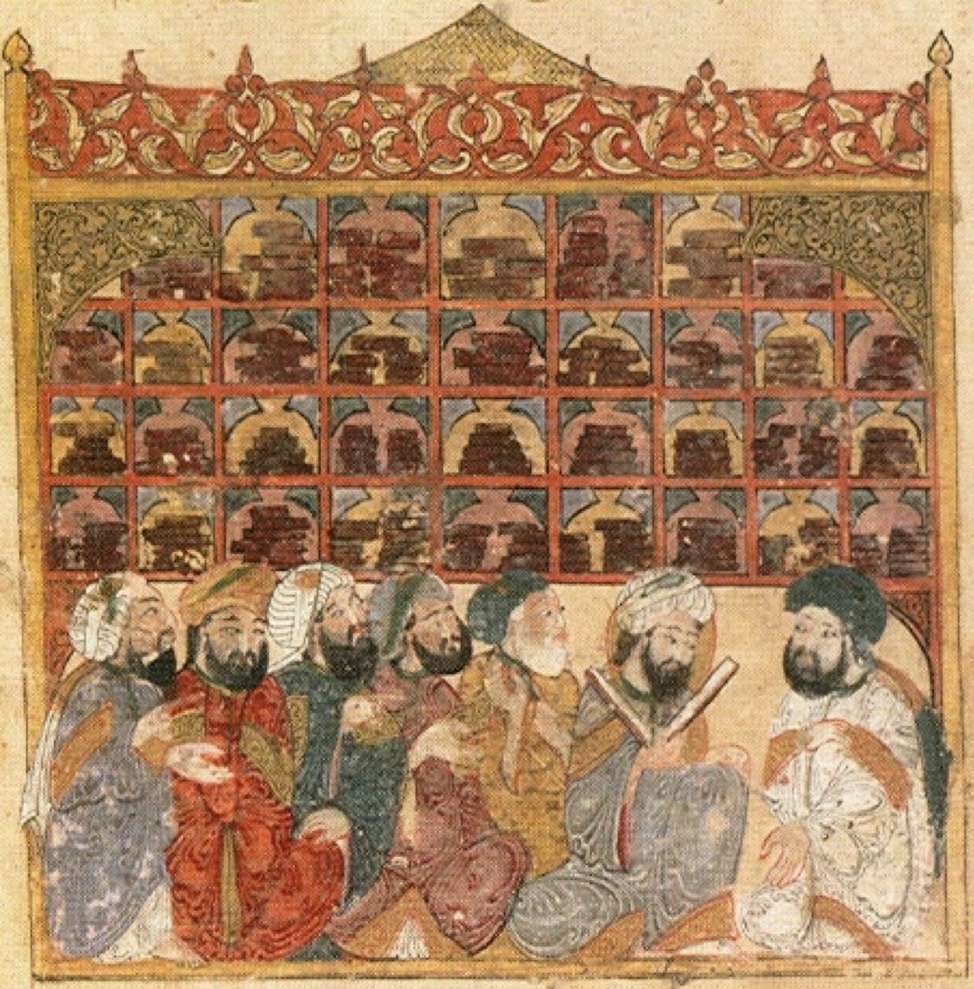
Centers like the House of Wisdom were devoted to science, mathematics, astronomy, medicine, and philosophy. Scholars were supported by rulers because learning was seen as a source of civilizational strength.
For centuries, these knowledge systems shaped global intellectual development. When emphasis on learning declined, political power followed the same path.
Why education always comes first
Across all these examples, the same underlying principles appear.
Education:
- Produces skilled administrators, strategists, and leaders
- Creates shared values and social cohesion
- Enables problem-solving and innovation
- Builds legitimacy for authority
- Preserves knowledge beyond individual rulers
Power without education depends on force. It is fragile, reactive, and short-lived.
Education, by contrast, builds capacity. It prepares a society to handle complexity, adapt to change, and transfer wisdom across generations.
A simple analogy captures this well:
Education is the root system of a tree. Power is the visible canopy. Without strong roots, the tree may grow quickly—but it will not survive storms.
This pattern did not end in ancient times
Even today, the civilizations and nations with the most enduring influence invest heavily in education, research, and knowledge creation.
Modern power increasingly depends on intellectual capital: scientists, engineers, thinkers, teachers, and institutions that generate understanding. Military or economic dominance without educational depth remains unstable.
History quietly repeats its lesson: civilizations that neglect learning may rise fast, but they do not last long.
The deeper lesson history leaves behind
When civilizations first began organizing themselves, they did not ask, How do we rule?
They asked, What should we teach?
Education shapes how people think, decide, and cooperate. It determines whether power becomes constructive or destructive.
Empires fall. Borders change. Armies dissolve. But knowledge—when preserved—outlives all of them.
That is why every civilization that truly endured focused on education before power.
WiderDepths explores ideas across history, culture, and technology
Topic is unique. Really well articulated concepts. I am eager for next article.
All the best. Keep going, keep writing.